

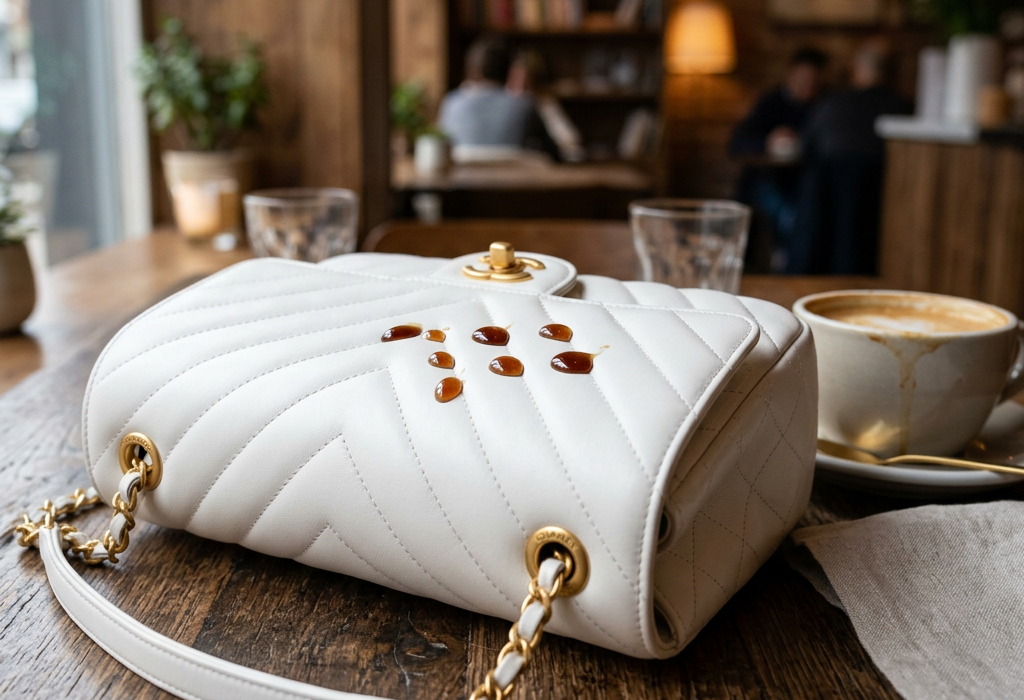
Waterproofing helps protect the materials you use every day—before rain, spills, dirt and moisture have a chance to settle in.
Waterproofing is one of the simplest ways to help protect your shoes, bags and textiles from everyday moisture, splashes and dirt.
When applied properly, a waterproofer helps liquids bead up and roll away from the surface rather than immediately soaking into the material. That gives you more time to wipe away a spill, clean off dirt and care for your item before everyday exposure leaves a mark.
But waterproofing is not magic—and understanding what it actually does is the first step to using it well. This guide explains how surface protection works, where its limits are and why the material and construction of your item still matter.
How Waterproofing Works
Materials such as leather, suede, nubuck and textile all have their own structure. Some have fibres, pores, finishes, seams or woven spaces that can allow moisture to settle in when they are exposed to rain, splashes or spills.
Waterproofing adds a water-repellent protective layer to the surface. Instead of spreading quickly across the material and being absorbed as easily, liquid is encouraged to form droplets and roll away.
Liquid reaches the surface
Rain, splashes, drinks and everyday moisture come into contact with the material.
Protection helps it bead
A treated surface helps liquid gather into droplets rather than immediately spreading and soaking in.
You have more time
When moisture stays closer to the surface, it is easier to wipe away before it can cause more trouble.
See Waterproofing in Action
The difference can be quite dramatic. On a protected surface, liquid and dirt can slide off more easily. On an unprotected surface, they may be absorbed more quickly into the material.
What Waterproofing Cannot Do
It protects the surface—it does not change an item’s construction.
Waterproofing helps make a material more resistant to everyday moisture, but it does not turn a shoe, bag or textile item into something completely waterproof.
- It cannot seal holes, tears, worn areas or damaged seams.
- It cannot close openings such as shoelace holes, open zippers or gaps in the construction of an item.
- It cannot stop water that is forced through a material under pressure, such as when an item is immersed, heavily soaked or exposed to deep puddles.
- It cannot repair water damage, staining or deterioration that has already happened.
This is why there is a difference between a water-repellent treatment and an item that has been designed and built to be fully waterproof. Waterproofing gives your material valuable everyday protection; it does not make it suitable for submersion or prolonged exposure to water.
Why Proper Care Still Matters
Without protection, everyday moisture, spills and dirt can settle into a material more easily. This can make marks harder to remove and may affect the material’s appearance, especially over time. A waterproofer helps reduce the risk of small problems becoming bigger ones.
Protection also wears down with use. Rain, regular wear, cleaning and friction can gradually reduce how effectively a surface repels liquid, which is why reapplication is part of maintaining protection.
Waterproofing is an added layer of protection, but it is only one part of caring for your shoes, bags and textiles properly. Regular cleaning, colour care, material-appropriate conditioning and thoughtful storage all work together to help materials stay looking their best over time.
Maintaining Waterproof Protection
Check your items regularly, especially after cleaning, rain or frequent wear. If water no longer beads up and rolls away as easily, it may be time to refresh the protective layer.
Before reapplying, make sure the material is clean and dry. For the full step-by-step guide to preparing, applying and maintaining protection, see How to Waterproof Your Shoes & Bags →
Why the Formula Matters
Good protection should care for the material, too.
Not all waterproofers are the same. Different formulations can offer different strengths and care properties, which is why the right choice depends on your material and the result you want.
The Collonil waterproofers we carry in the Philippines are not water-based. They are designed to help repel moisture from the material rather than adding another water-based layer to it.
For white and light-coloured items, it is also important to use a product formulated for protection without compromising appearance. Collonil waterproofers are designed to protect materials without causing yellowing when used as directed.
What Comes Next?
Frequently Asked Questions
Does waterproofing make my shoes completely waterproof?
No. Waterproofing helps make the material more resistant to moisture, dirt and everyday exposure. It does not turn a shoe or bag into a completely waterproof item.
Can water still get through a waterproofed item?
Yes. Water can still enter through holes, seams, open zippers, damaged areas and gaps in the construction. It can also get through when material is immersed or exposed to enough pressure.
Can I waterproof leather, suede and textile?
Yes. Collonil waterproofers can be used across a range of materials, including leather, suede, nubuck and textile. The best choice depends on the material and the result you are looking for.
How often should I reapply waterproofing?
It depends on how often you use the item and what it is exposed to. Rain, regular wear, cleaning and outdoor use can gradually reduce protection, so reapplication is part of maintaining it. For the full step-by-step guide, see How to Waterproof Your Shoes & Bags →
Preserve & Protect. The Collonil Way.
The right care starts with understanding your material—and knowing what it needs.

